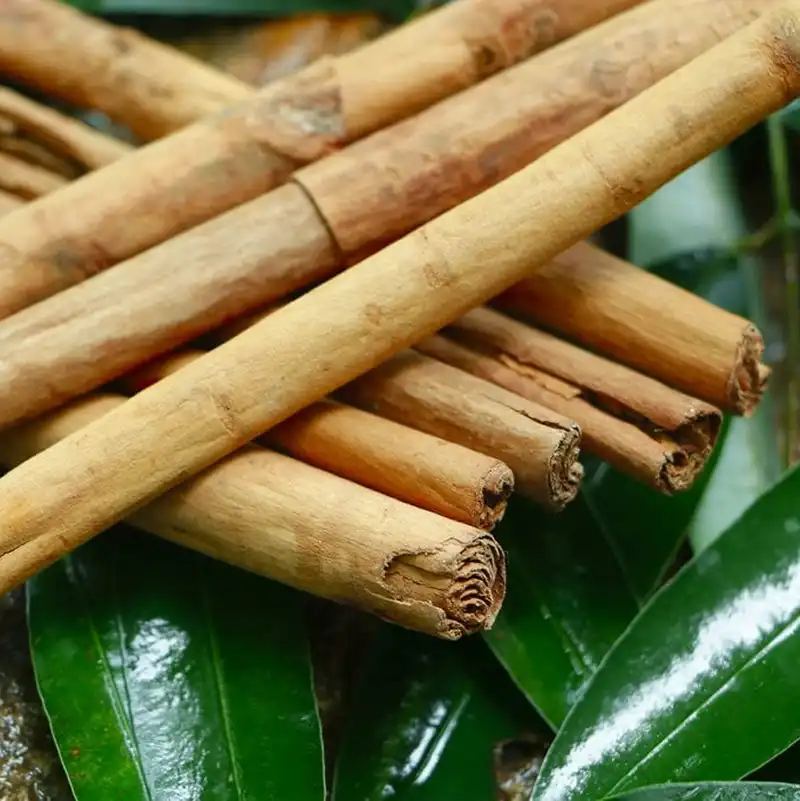
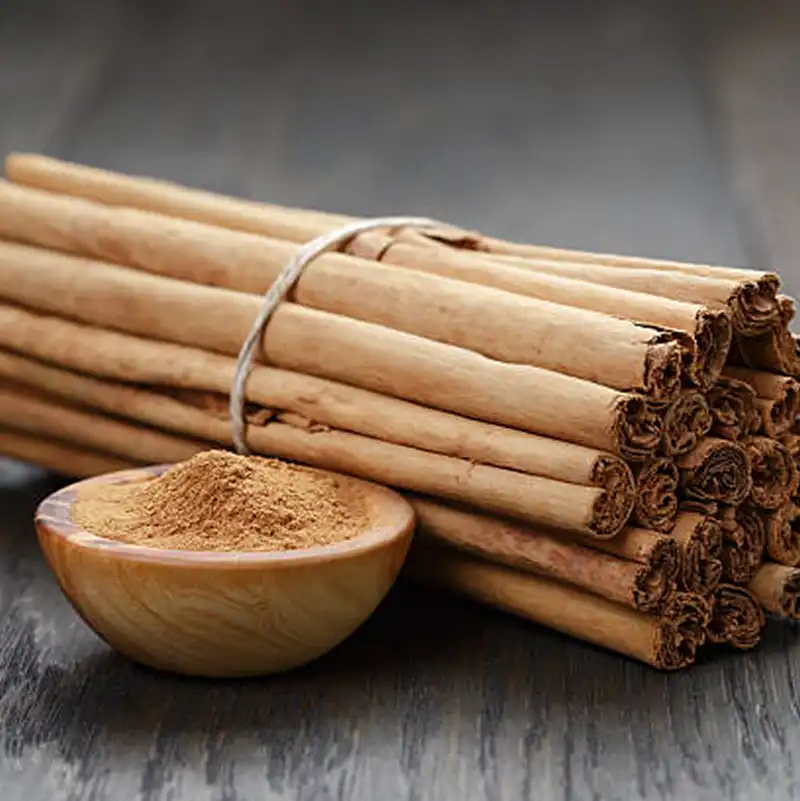
The Journey of True Ceylon Cinnamon
Discover how Ceylon cinnamon travels from Sri Lanka’s fertile lands to kitchens around the world, preserving aroma, purity, and tradition at every step. Read More
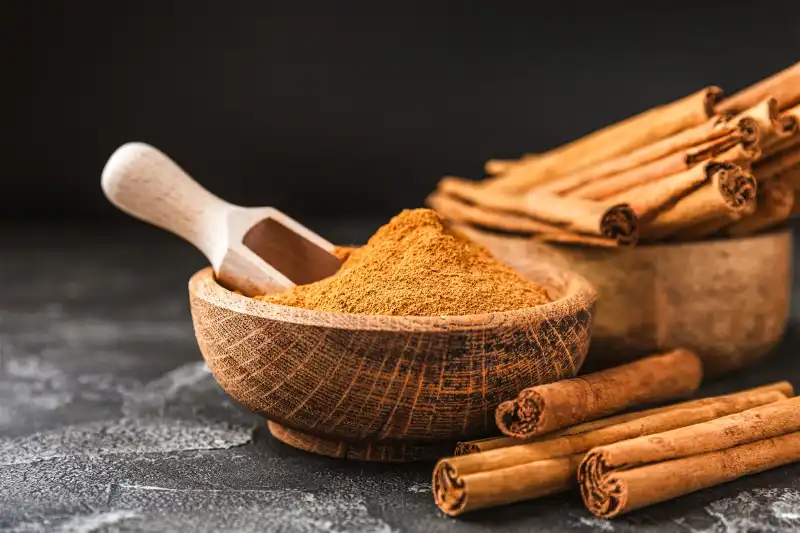
Welcome to the world of Ceylon cinnamon, often referred to as ‘true cinnamon,’ which has no equal—a spice whose origins and prestige set it apart from others. Renowned for its delicate flavor and myriad health benefits, Ceylon cinnamon is a staple for culinary enthusiasts and health aficionados alike.
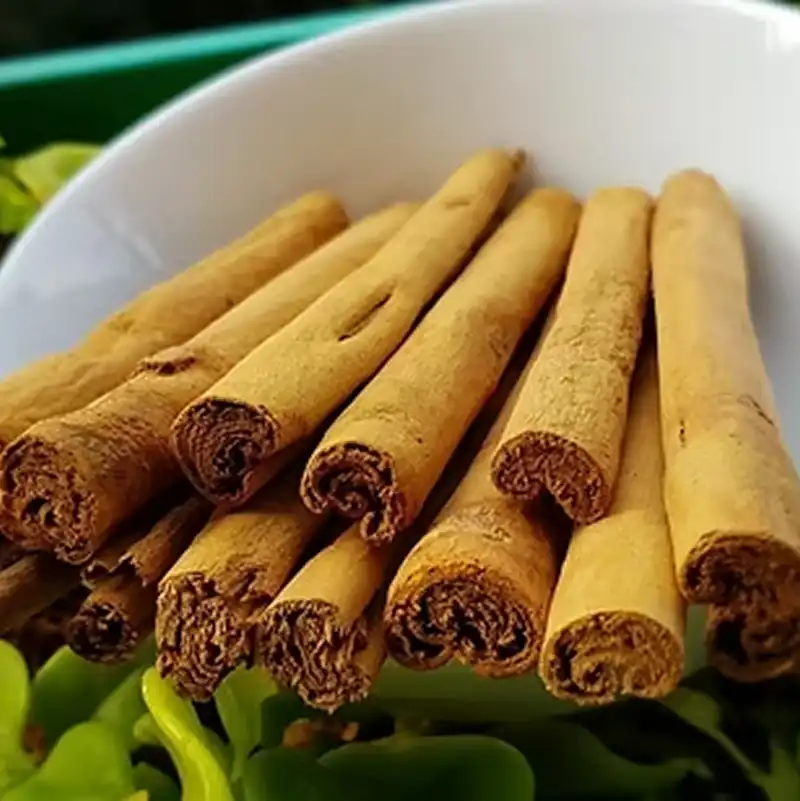
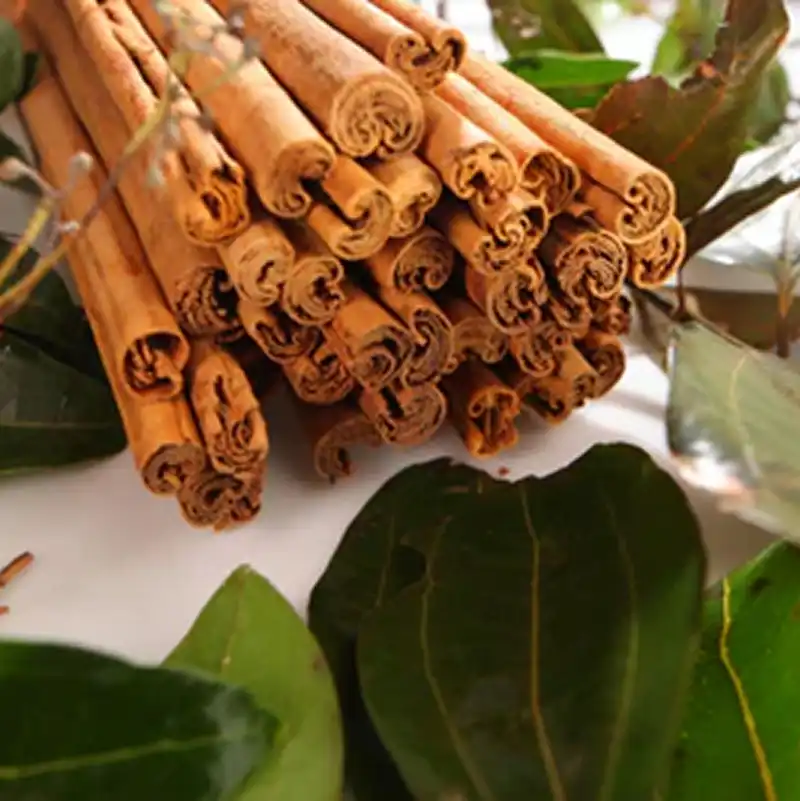
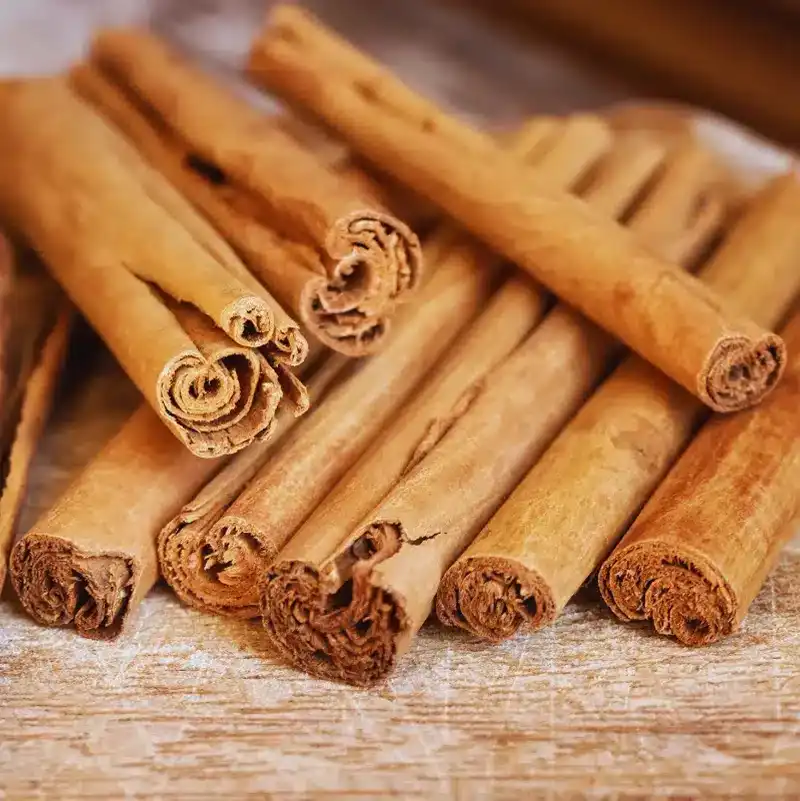
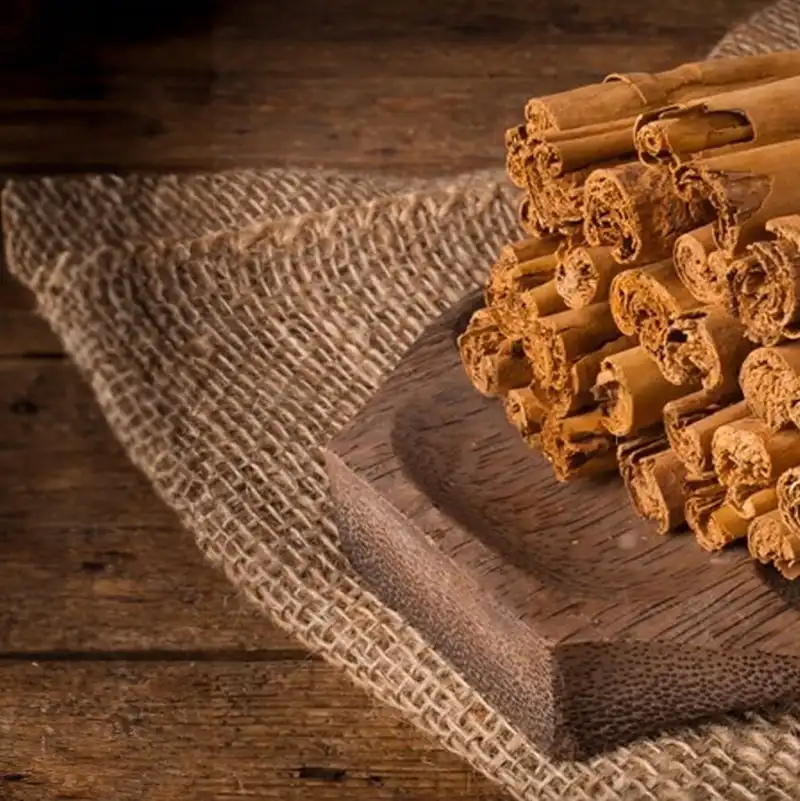
Harvesting, preparing, peeling, and quilling cinnamon is a demanding craft that time-demand great skill, experience, and commitment. It takes weeks of effort from harvesting to completion of batch of cinnamon. While this age-old tradition continues to produce exceptional cinnamon with the same quality, authenticity, and refinement once treasured by ancient civilizations. Unlike cassia, which is thicker and coarser, Ceylon cinnamon’s fine, paper-thin layers and subtle sweetness are results of a craft rooted in patience, tradition, and deep expertise.
Ceylon cinnamon has been cherished for thousands of years, with records of its use dating back to around 2800 BC. Ancient Egyptians used it in rituals, perfumery, and embalming, while Greeks and Romans valued it as a luxurious gift, often considered as precious as gold, silver, or gemstones. Even King Solomon (circa 970–931 BC) counted cinnamon among his treasures, sending fleets to Tarshish (present-day Galle, Sri Lanka) to acquire fresh supplies. Its delicate fragrance, exquisite taste, and mysterious origin inspired long oceanic voyages, shaped early trade routes, and fueled fascination across civilizations.
Arab and Asian merchants carefully guarded the source of true cinnamon, enhancing its mystique and making it one of the most coveted spices of the ancient world.
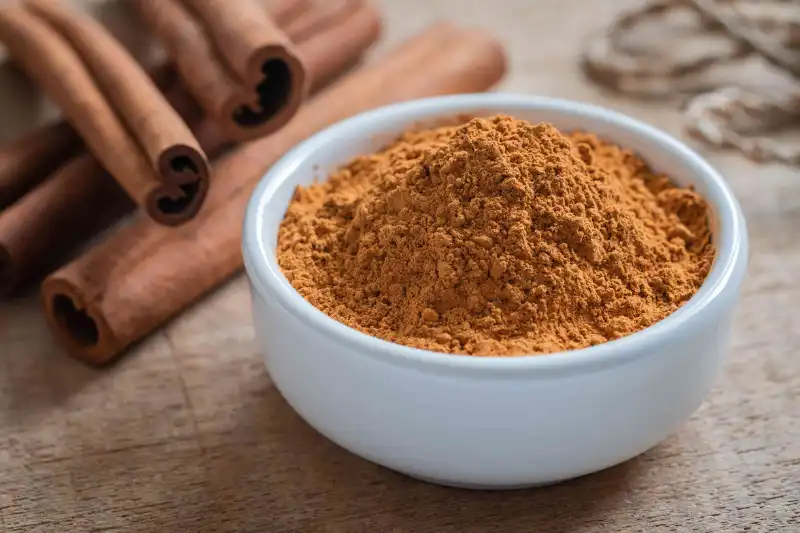
Grown exclusively in Sri Lanka, representing less than 0.5% of global cinnamon supply.
Manually peeled and quilled by skilled artisans using centuries-old techniques.
Low coumarin content makes it safe for regular consumption.
Once more valuable than gold, now prized for wellness and culinary excellence.

Ceylon cinnamon has been cherished for thousands of years, with records of its use dating back to around 2800 BC. Ancient Egyptians used it in rituals, perfumery, and embalming, while Greeks and Romans valued it as a luxurious gift, often considered as precious as gold, silver, or gemstones.
Even King Solomon (circa 970–931 BC) counted cinnamon among his treasures, sending fleets to Tarshish (present-day Galle, Sri Lanka) to acquire fresh supplies. Its delicate fragrance, exquisite taste, and mysterious origin inspired long oceanic voyages, shaped early trade routes, and fueled fascination across civilizations.
Arab and Asian merchants carefully guarded the source of true cinnamon, enhancing its mystique and making it one of the most coveted spices of the ancient world.
European interest in Ceylon cinnamon began with Portuguese explorers in the early 16th century CE. They established trading posts along the island’s coast, securing control over the spice and exporting it to European markets.
This marked the beginning of large-scale international trade and introduced Ceylon cinnamon as a luxury commodity in the West.


In the 17th century, the Dutch East India company took control of the cinnamon trade, establishing a monopoly over its production. They implemented stringent measures to oversee cultivation and export, reinforcing their influence in the region.
During this period, Ceylon cinnamon’s unique properties were further recognized, setting up apart from other cinnamon varieties, particularly cassia.
When the British assumed control of the island, cinnamon cultivation and export continued on a global scale.
While its monopoly gradually declined due to the rise of other crops and expanded trade, the exceptional aroma, flavor, and heritage of Ceylon cinnamon remained unchanged, preserving its status as a spice of legendary value.

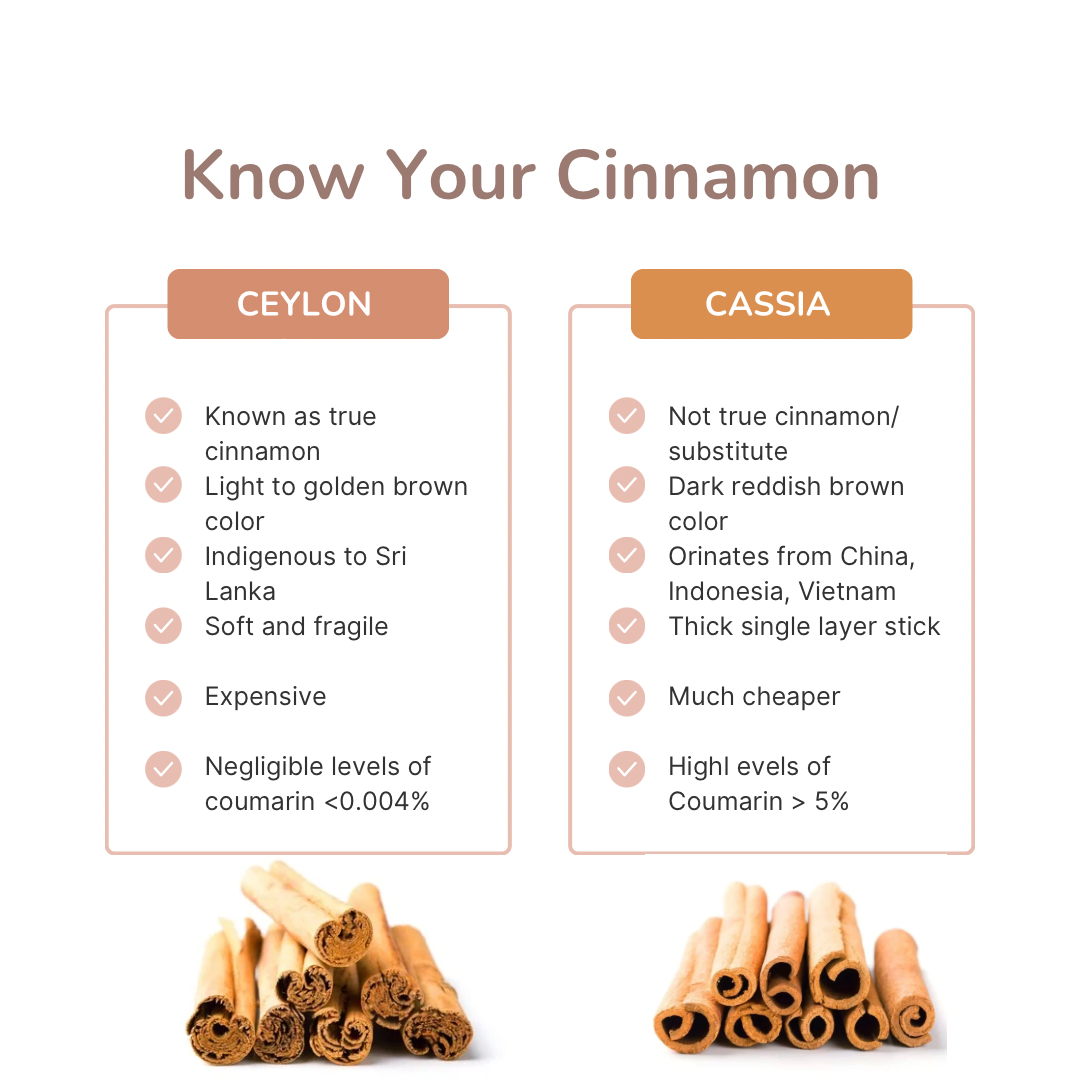
Is the “cinnamon” in your kitchen really cinnamon, or is it something else entirely? Most of the world knows cinnamon as a single warm, comforting spice, but in reality, there are two very different spices hiding behind that one familiar name: cassia and Ceylon. While they may look similar at a glance, they differ in origin, aroma, flavor, and how gently they treat your body over time. This guide unpacks those differences, so you can clearly see why Ceylon is often called “true cinnamon” and decide which one truly deserves a place in your daily rituals.
Flavour Infusion for Beverages
Teas: Steep a cinnamon stick in your herbal or black tea for added warmth.
Coffee: Stir your coffee with a cinnamon stick for a flavourful twist.
Hot Chocolate: Use it to stir hot chocolate for a delicious hint of spice.
Mulled Drinks
Mulled Wine: Add cinnamon sticks to red wine with spices and citrus for a cosy drink.
Mulled Cider: Simmer apple cider with cinnamon sticks for a warming treat.
Cooking
Soups and Stews: Add a cinnamon stick while cooking for subtle sweetness and depth.
Rice and Grains: Place a cinnamon stick in the pot when cooking rice or quinoa for extra flavour.
Baking
Use cinnamon sticks to flavour fillings or syrups for pies and pastries.
Sauces and Marinades
Include a cinnamon stick in sauces and marinades to add warmth and complexity.
Infused Syrups
Simmer sugar, water, and a cinnamon stick to create a simple syrup for drinks and desserts.
Stewed Fruits
Add a cinnamon stick to fruit compotes or stews for enhanced sweetness.
Smoothies
Blend a small piece of a cinnamon stick into smoothies for an extra flavour boost.
As William Dalrymple notes in Anarchy, Sri Lanka’s cinnamon legacy began under colonial trade powers like the British East India Company and Dutch VOC, a chapter that evolved post-1948 independence as global markets shifted toward affordable cassia, often blending it with true Ceylon without distinction and challenging its premium heritage.
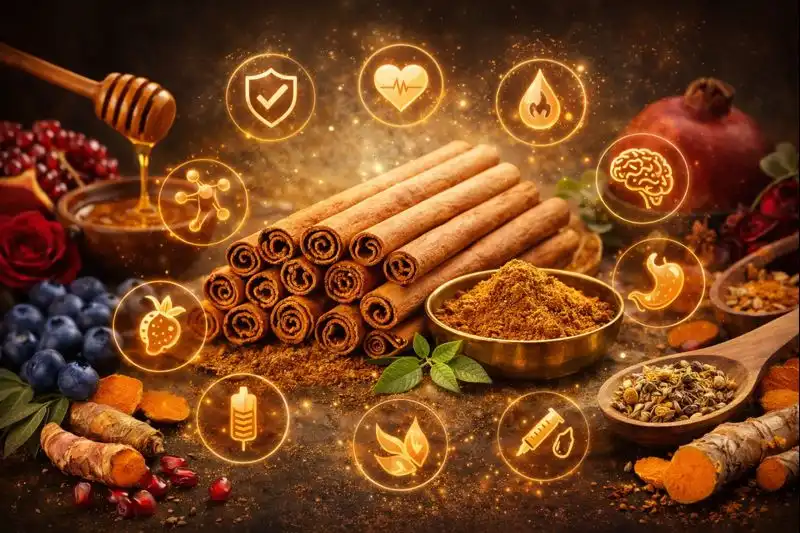
Science now highlights Ceylon cinnamon’s unique health benefits for cancer prevention, diabetes management, heart health, and cognitive support, underscoring its value in taste, wellness, and broader social impact. While price competition has undervalued the skilled artistry of harvesting and quilling—honored since ancient times—and overlooked smallholder farmers, Sri Lanka’s recent GI protection paves the way for authentic storytelling, fair practices, and sustainable prosperity that elevates the industry.
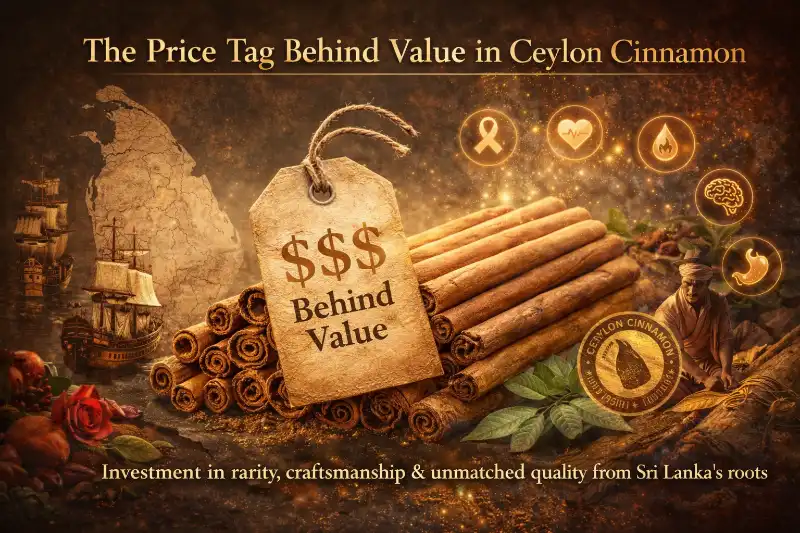
The Price Tag Behind Value in Ceylon Cinnamon reframes the premium cost as a transparent investment in rarity, craftsmanship, and unmatched quality from Sri Lanka’s roots.
Decoding the Premium Price
Ceylon cinnamon’s higher price stems from its limited 0.5% global supply, grown exclusively in Sri Lanka’s coastal highlands where trees take four years to mature before hand-harvesting. Labor-intensive peeling by skilled artisans—producing just 3 pounds per day per worker—accounts for 67% of production costs, far exceeding cheap cassia methods.
What Justifies Every Penny
Ceylon excels in harvesting effort through manual inner bark peeling by 350,000 specialized workers, unlike cassia’s machine-stripped outer bark; its low yield and rarity mean even top Alba grade takes four times longer to produce than cassia’s abundant supply. Strict 10-scale quality grading pushes premium quills to $27 per pound, contrasting cassia’s uniform lowgrade bulk; sustainability challenges like droughts and peeler shortages add to costs, unlike cassia’s stable industrial output. Export dynamics deliver strong value at $10-15 per kg FOB for farmers, outpacing cassia’s lower bulk pricing.
Worth the Investment
This pricing ensures safer, finer-flavored, nutrient-rich cinnamon that lasts longer and elevates health routines—delivering outsized returns on wellness and taste.
At Ceyluxeco exports (Pvt) Ltd we carefully select partners throughout the supply chain to ensure authenticity, quality and fair practices- Thank you for being a conscious consumer and making this meaningful choice.
Stories, insights, and knowledge behind true Ceylon cinnamon
Discover how Ceylon cinnamon travels from Sri Lanka’s fertile lands to kitchens around the world, preserving aroma, purity, and tradition at every step. Read More
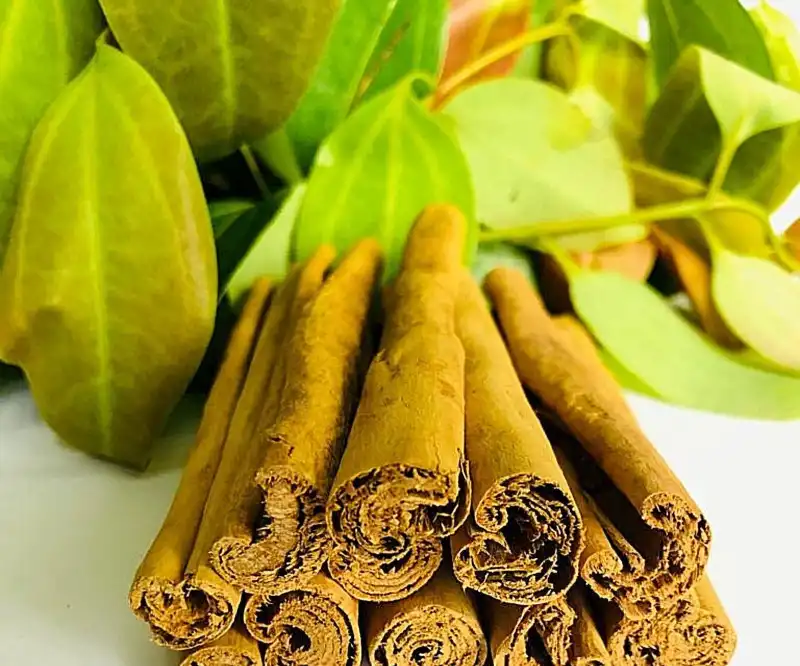
Learn why traditional hand-peeling techniques play a vital role in maintaining the delicate flavor, texture, and quality of authentic Ceylon cinnamon. Read More
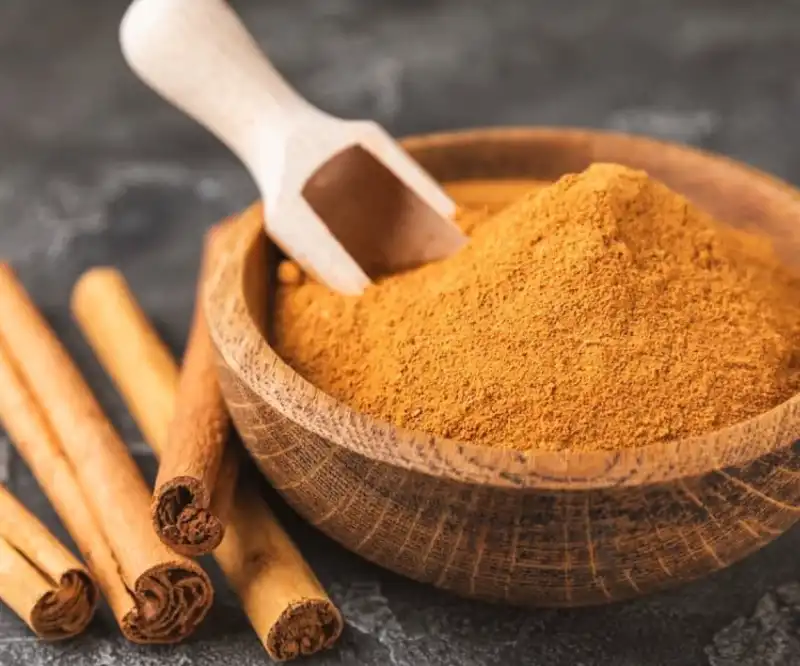
Learn why traditional hand-peeling techniques play a vital role in maintaining the delicate flavor, texture, and quality of authentic Ceylon cinnamon. Read More